Loading...

Transportation is one of the most critical sectors in the fight against climate change, responsible for approximately a quarter of global energy-related carbon dioxide (CO₂) emissions. i Of this total, road transportation contributes 74.5% of emissions, with passenger cars being one of the main sources. ii In Latin America, transportation accounts for 35% of CO₂ emissions related to energy consumption, positioning it as the largest emitter in the region. iii
In this context, electric vehicles (EVs) have emerged as a possible solution, driving a significant shift towards a more sustainable mobility. In the last decade, global EV sales have grown by 50% annually, reaching more than 10 million units sold by 2022. iv However, the question remains: Are EVs really the ultimate solution to mitigate the environmental impact of transportation?
This article examines the life cycle of EVs, from battery manufacturing to disposal, and compares them to internal combustion vehicles. In addition, we explore how public policy, battery recycling and charging infrastructure can maximize their positive impact, highlighting international examples and lessons specific to Latin America.
The increasing adoption of electric vehicles (EVs) as a sustainable alternative in transportation has put lithium-ion batteries in the spotlight. While they are essential for reducing emissions over the lifetime of EVs, their production and disposal present significant environmental and social challenges that must be addressed to maximize their sustainability.
The manufacture of lithium-ion batteries generates a significant proportion of the total emissions associated with an electric vehicle. According to the Yale Climate Connections report, the production of an average-sized electric vehicle can generate 50% to 60% more CO₂ emissions than a comparable internal combustion automobile due to the impact of mining and processing materials such as lithium, cobalt, and nickel. v
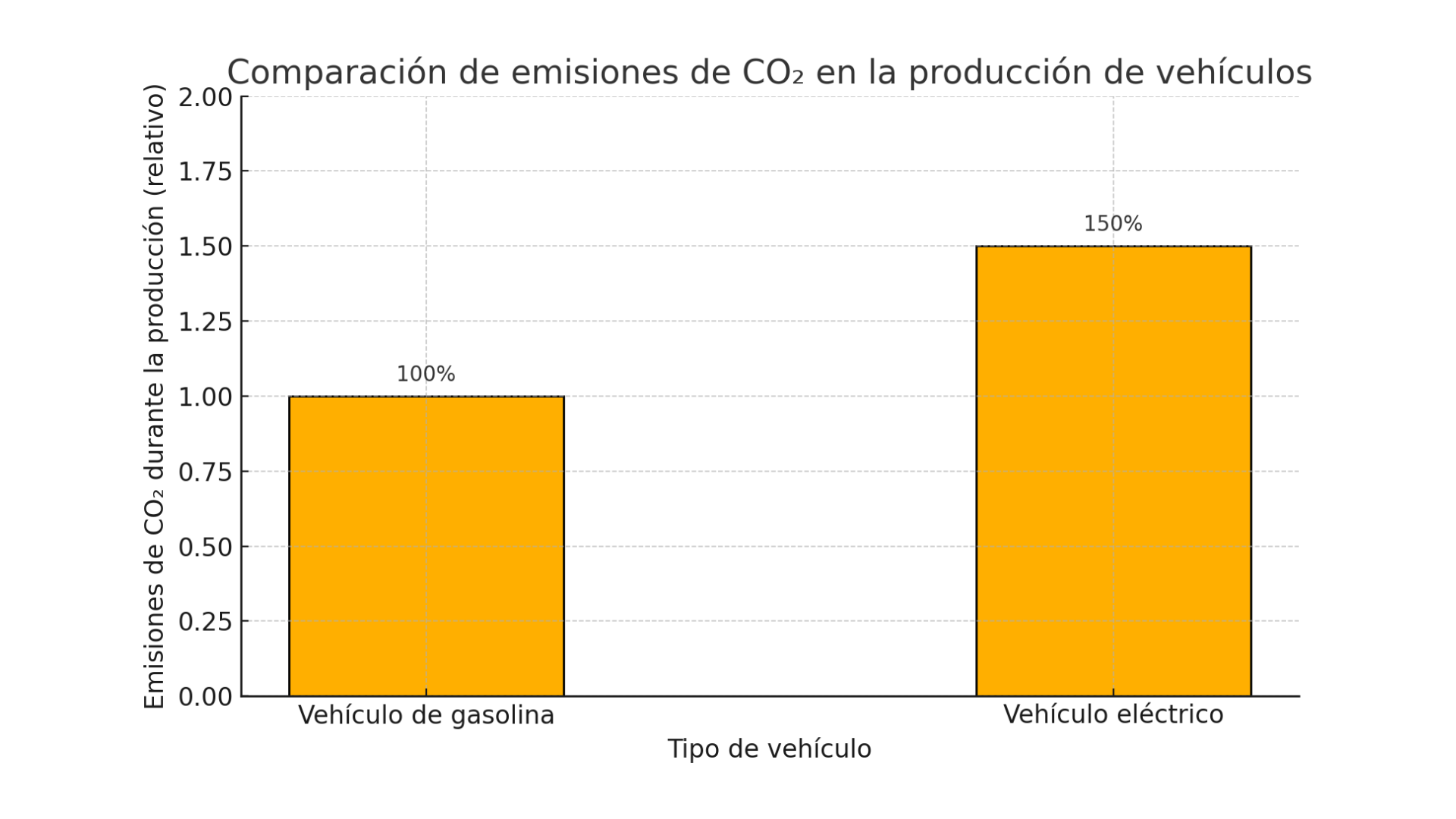
Figure 1: Comparison of emissions in vehicle production. Impact of critical material extraction
Although EVs concentrate most of their emissions in the manufacturing stage, the lifetime of internal combustion engine (ICE) vehicles, characterized by continuous emissions of CO₂, NOx and particulate matter, results in a more negative balance in the long term. According to the Global EV Outlook 2024, even in countries with an energy matrix dominated by fossil fuels, EVs generate less total emissions over their life cycle. vi
Recycling lithium-ion batteries offers a key way to mitigate the environmental impacts associated with their life cycle. However, this process faces several technical and economic limitations:
In summary, although battery recycling faces technical and economic challenges, it represents an essential component in reducing the environmental impact of electric vehicles. Current initiatives, from traditional methods to technological innovations, are leading the way to a more sustainable future, demonstrating that the integration of advanced solutions and the circular economy can mitigate the negative effects of battery production and encourage a more responsible use of natural resources.
Electric vehicles (EVs) stand out for their ability to significantly reduce greenhouse gas (GHG) emissions during their use phase, especially when the electricity used to recharge them comes from renewable sources . Unlike internal combustion vehicles, which emit CO₂ continuously throughout their useful life, EVs do not generate direct emissions while circulating. However, their total environmental impact depends on the energy source used for electricity generation and the time at which emissions in use manage to offset those generated during their manufacture.
This break-even point, known as the "emissions compensation point", is reached when an EV has traveled a sufficient distance so that the emissions avoided during its use equal or exceed those generated in its production, including those from its battery. According to the International Energy Agency's (IEA) Global EV Outlook 2024 report, even in countries with a fossil fuel-based energy matrix, EVs generate fewer GHG emissions over their lifecycle compared to traditional vehicles. This benefit is amplified as electricity grids move towards decarbonization.
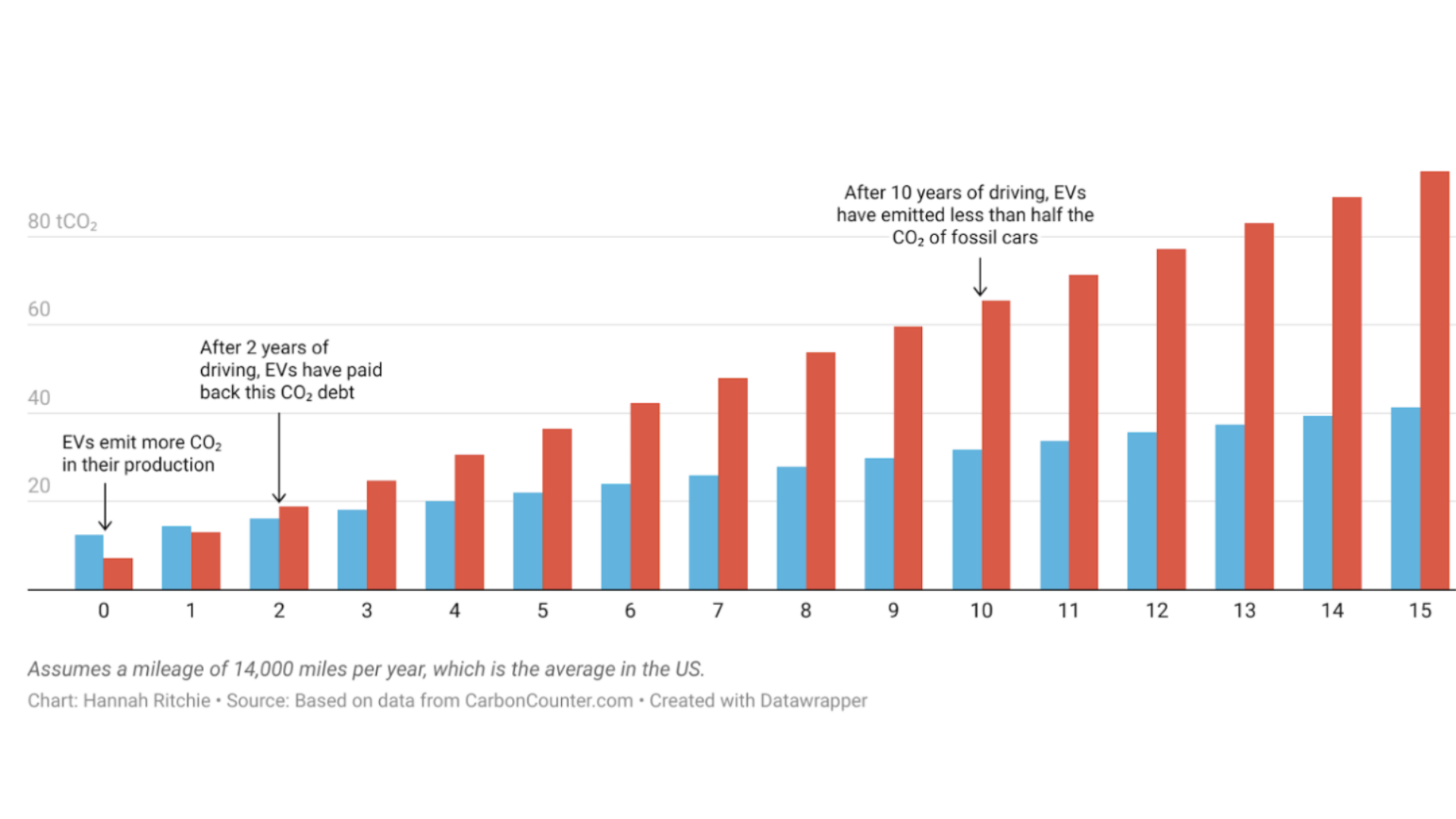
For example, an average EV in Europe, with an energy matrix in transition, can reach the compensation point in approximately 3 years or after traveling 31,000 km. x In countries with a high proportion of renewable energy, such as Uruguay, whose energy matrix is practically clean with 97% coming from renewable sources, this threshold can be reached in much less time and kilometers traveled, maximizing the environmental benefits. xi