Loading...
The energy transition as an opportunity to close gender gaps
Program: Renewable Energy Innovation Fund (REIF)
Country: Uruguay
Duration: 2022–2026
Funding: A $10 million grant from the UN Joint SDG Fund
Implementation: UNIDO, UNDP, UN Women, and the Office of the Resident Coordinator
National counterparts: MIEM, Ministry of the Environment, OPP, and UTE
Financial partners: Private banks in the Uruguayan financial system
March 2026
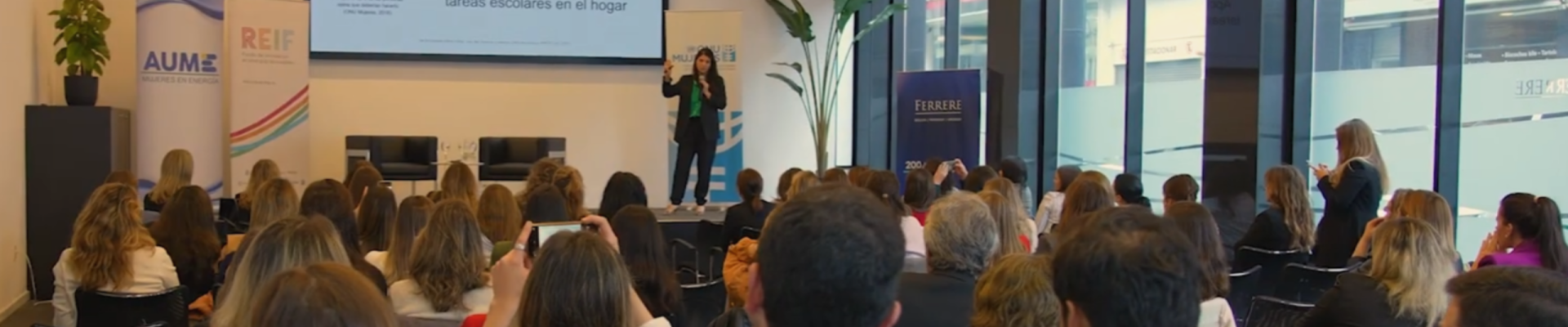
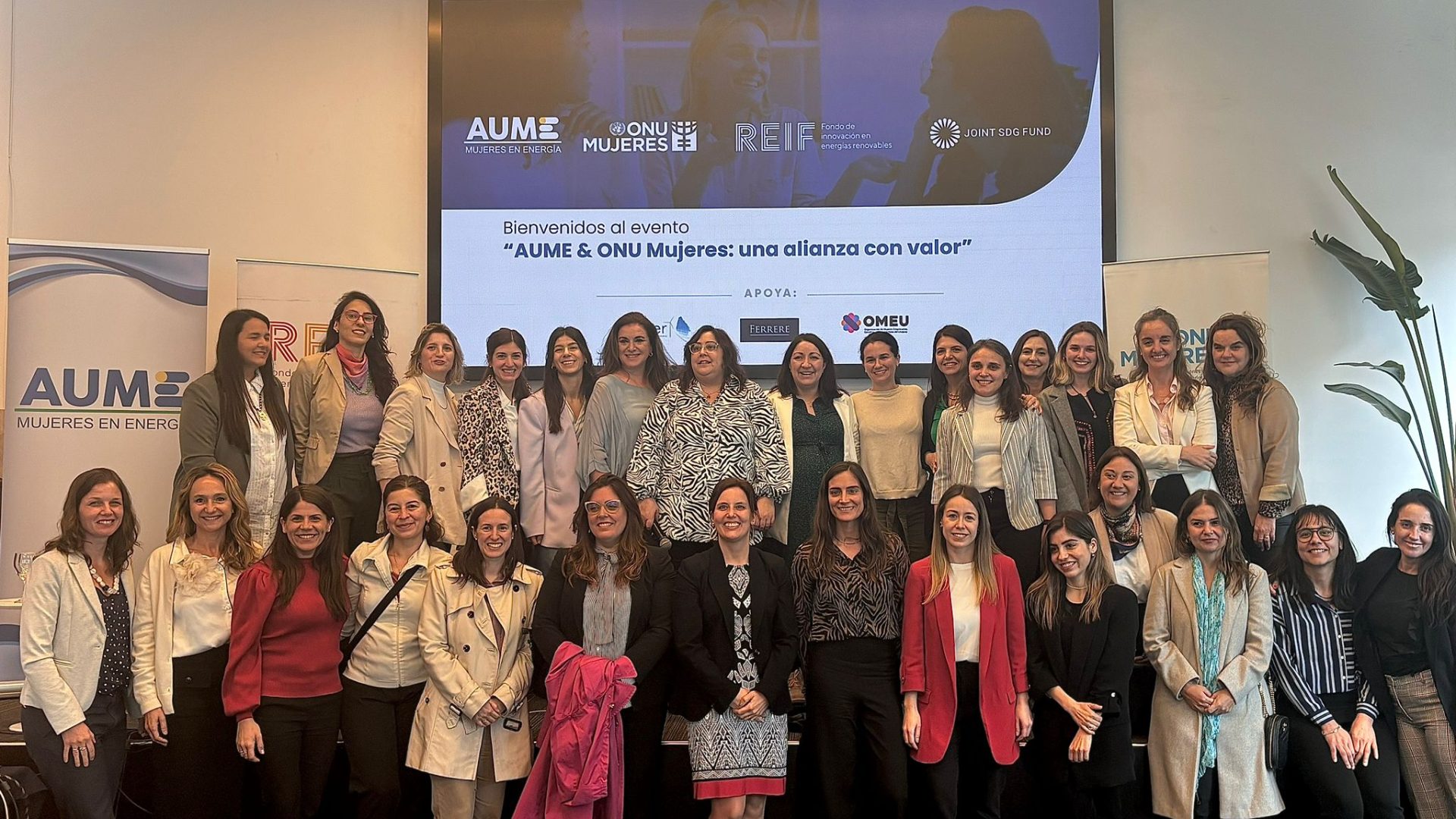
Presentation of the AUME–UN Women partnership within the framework of REIF.
Globally, women account for only 22% of the workforce in the energy sector.
Moving toward a more inclusive energy transition requires working simultaneously across different levels of the production and financial ecosystems.
Uruguay has established itself as an international leader in the transformation of its energy mix, achieving nearly 100% renewable electricity generation. The current challenge is to move toward a second transition, aimed at decarbonizing key sectors of the economy—such as industry and transportation—by promoting electrification, technological innovation, and new infrastructure investments.
Globally, women account for only 22% of the workforce in the energy sector, and in Uruguay, an analysis of 11 companies in the sector reveals a marked gender divide: 80% of professionals in key technical fields (such as systems engineering, computer science, and electrical engineering) are men, while they make up 71% of the workforce in innovation; by contrast, women predominate in administrative and accounting roles, accounting for 72%. These gaps in workforce participation raise the risk that new industries linked to the energy transition will reproduce historically male-dominated production structures. i
In this context, the Renewable Energy Innovation Fund (REIF) is promoting an innovative financing instrument designed to catalyze private-sector investment to accelerate the decarbonization of industry and transportation in Uruguay. The program promotes an inclusive and sustainable energy transition, incorporating gender equality as one of the guiding principles in the design of its instruments, technical assistance, and institutional strengthening initiatives.
To promote an energy transition that also helps reduce inequalities, REIF is pursuing various initiatives aimed at integrating a gender perspective into the energy and financial sectors.
– Application of diagnostic tools diagnostic such as the Gender Gap Analysis Tool (GGAT) to identify gaps and define action plans.
– Development and implementation of protocols for prevention and response to harassment, violence, and discrimination in the workplace.
– Inclusion of internal policies related to equitable recruitment, work-life balance, and an inclusive organizational culture.
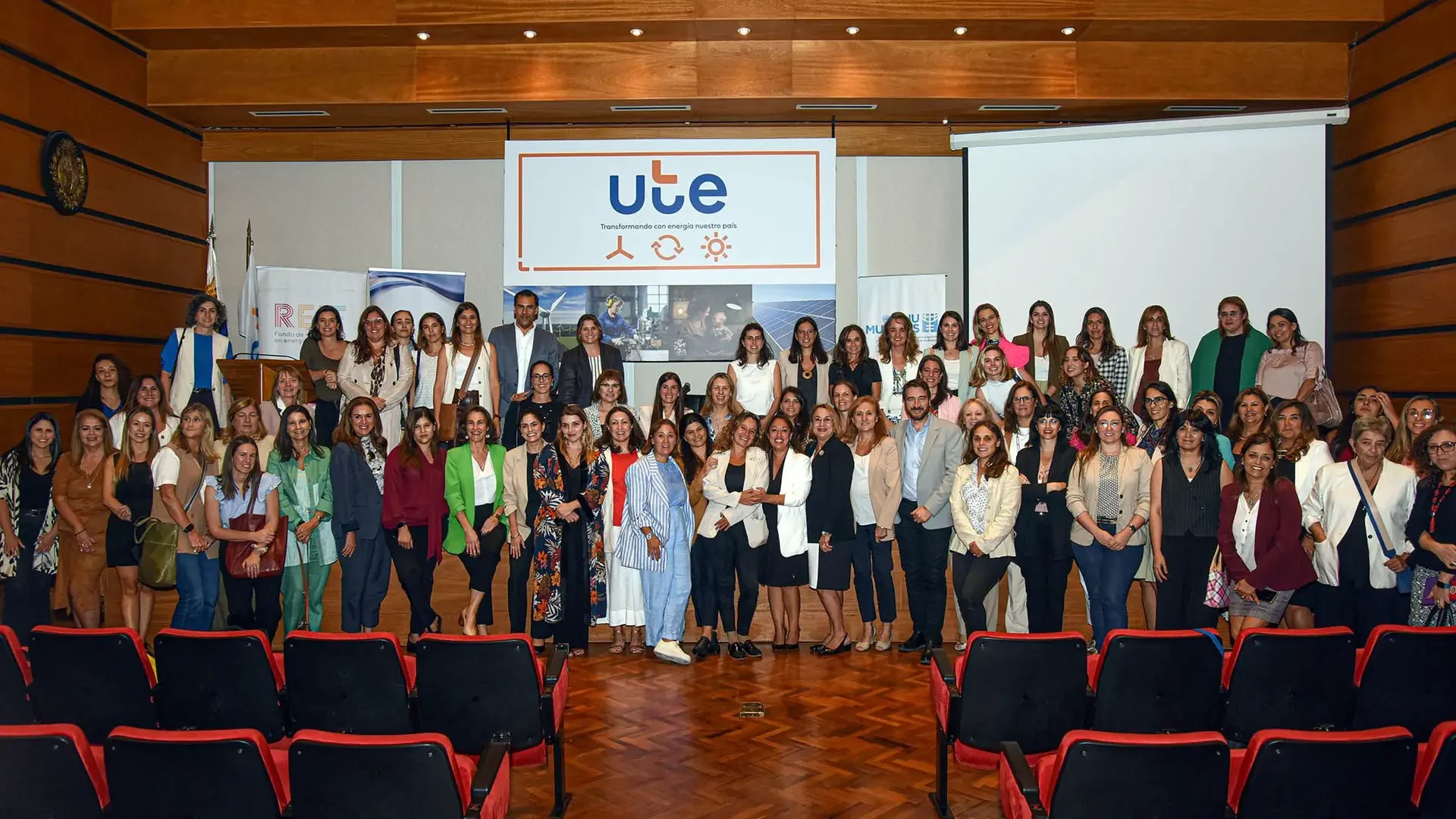
REIF’s experience shows that moving toward a more inclusive energy transition requires working simultaneously across different levels of the productive and financial ecosystem, and that gender-related outcomes do not occur automatically; rather, they require a deliberate approach, with explicit incentives, concrete actions, and sustained support to ensure that opportunities emerge and take root. Since the program’s implementation, several key lessons have been identified:
Initiatives that emerge from within the energy sector’s professional community—such as women’s networks or specialized associations—play a significant role in highlighting career paths, creating role models, and fostering opportunities for exchange. Furthermore, it is essential to promote collaboration and the formation of partnerships to strengthen and expand the initiatives already underway, thereby increasing their reach and impact.
The implementation of internal policies, protocols, and organizational practices aimed at gender equality improves opportunities for women to participate and advance professionally in traditionally male-dominated sectors. These changes not only help reduce inequalities but also strengthen business competitiveness by expanding access to and retention of talent and improving work environments.
Having systematic data on women’s participation in sectors related to the energy transition strengthens dialogue among the public and private sectors and international organizations, highlighting gaps and supporting the integration of gender equality into policies and programs.
75% of companies with projects funded by REIF have adopted the Women's Empowerment Principles (WEPs).
i. UN Women. (2025). Gender Gaps in STEM: A Look at the Energy Sector. https://reifuruguay.org.uy/brechas-de-genero-en-stem-una-mirada-al-sector-energetico/
©2025 UN-REIF, All rights reserved.