



Loading...

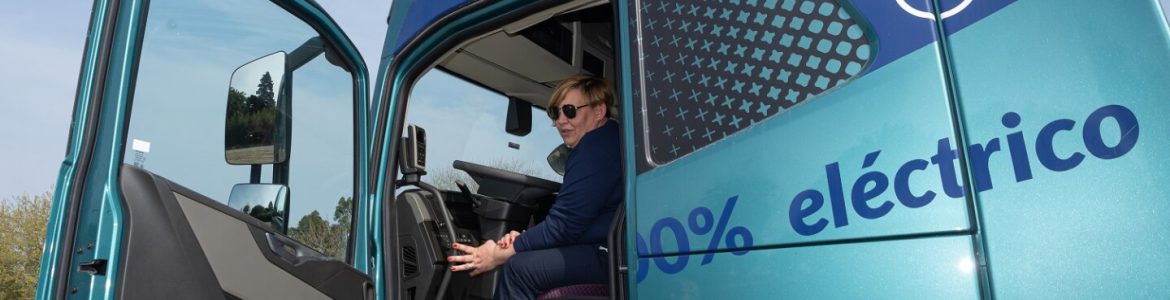
Bitafal incorporates in its plant on Route 8 an autonomous electric station conceived as an off-grid system, whose charging and energy storage infrastructure is powered by its own photovoltaic generation. This is the first electric station of these characteristics in the country. This investment enables the electrification of cargo transportation associated with its operations and those of third parties, and opens the possibility of serving other segments -such as buses, utility vehicles and medium-sized fleets- thus expanding the capacities for the country's energy transition.
Estimated emissions avoided avoided 15 years
Estimated avoided emissions per US$1000 of REIF investment over 15 years US$1000 of REIF investment over 15 years
of the people involved in the development development, start-up and operation operation, are women.
250 and 500 kW chargers
Storage system with 3,225 kWh capacity
Bitafal
Stalori S.A.
Electric chargers and storage system
Energy Storage and Demand Management
BBVA
The incorporation of electric charging infrastructure for heavy trucks drives the decarbonization of logistics linked to Bitafal's operations, enabling the substitution of diesel vehicles, both its own and those of third parties. This transition contributes to reducing greenhouse gas emissions associated with freight transportation, one of the most carbon-intensive sectors.
REIF provides gender awareness training and conducts a company gap survey to identify areas in which to develop specific policies. It also contributes to measuring the carbon footprint through comparative indicators of greenhouse gas emissions avoided per company product.
©2025 UN-REIF, All rights reserved.
